


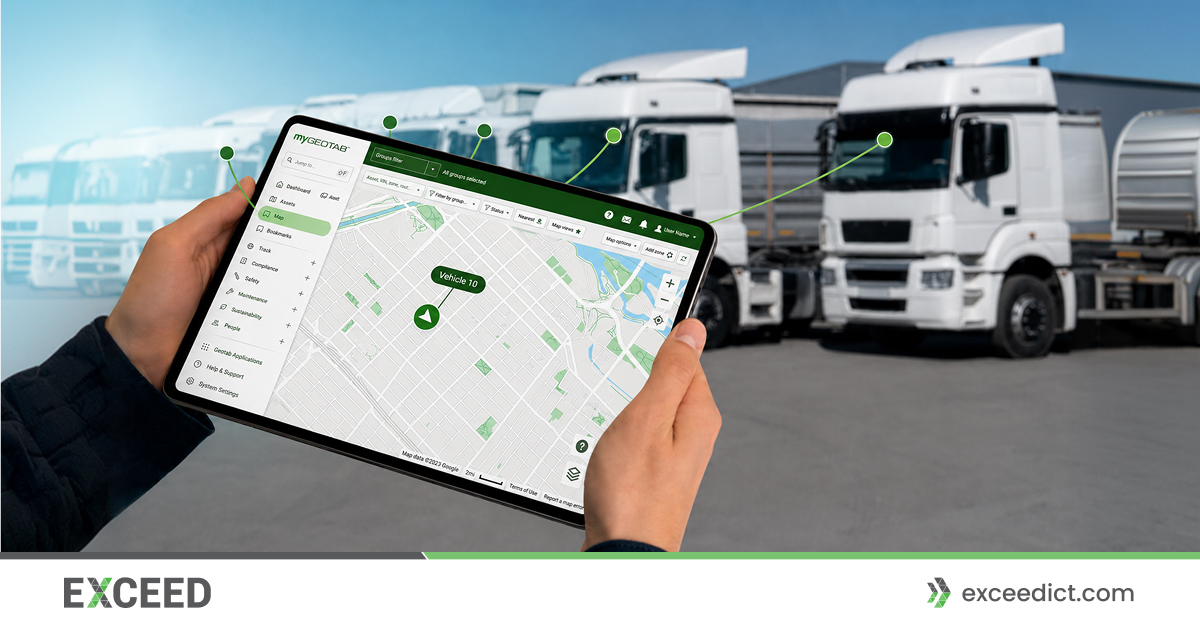
Vehicle fleet management services help businesses oversee every aspect of their fleet operations, from vehicle procurement and financing to telematics, maintenance, fuel management, compliance, and end-of-life remarketing. By combining advanced technology with professional fleet support, these services allow organisations to improve operational efficiency while reducing administrative workload.
Across Australia, industries including logistics, construction, healthcare, mining, government, and field services are investing in smarter fleet management solutions to optimise vehicle performance and improve business outcomes.
What Are Vehicle Fleet Management Services?
Vehicle fleet management services are professional solutions designed to manage and optimise commercial vehicle fleets throughout their entire lifecycle. These services combine software, telematics technology, data analytics, and operational support to improve fleet visibility, reduce expenses, and ensure regulatory compliance.
Rather than managing vehicles manually, businesses can outsource complex fleet tasks to experienced providers who handle day-to-day administration and strategic fleet planning.
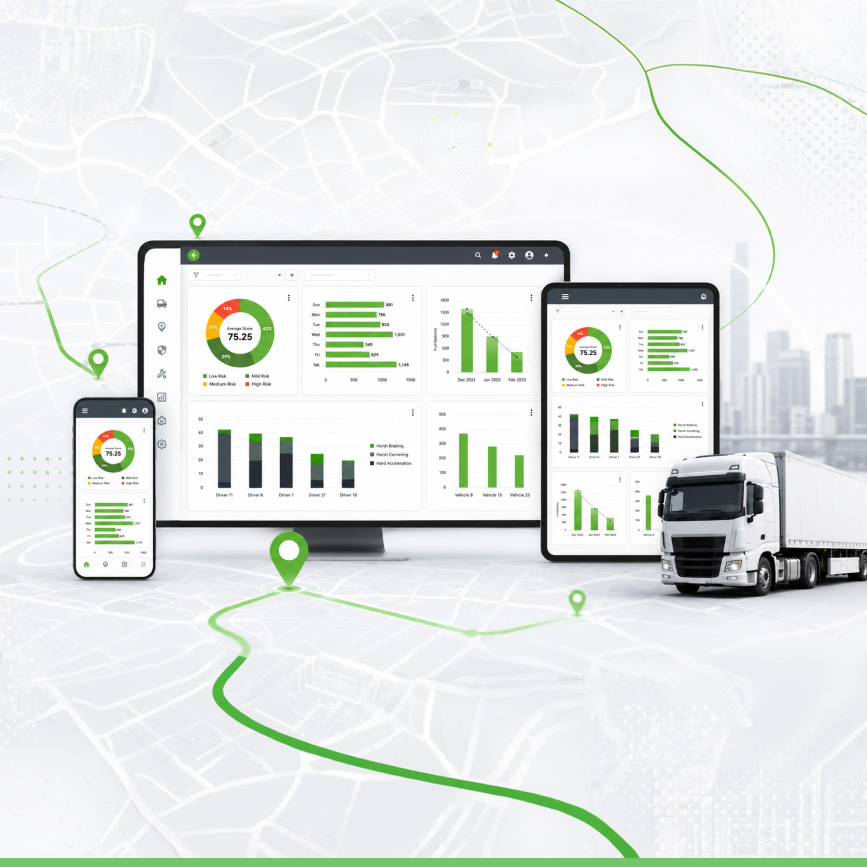 Fleet management services commonly include:
- Vehicle procurement and financing
- GPS tracking and telematics
- Maintenance scheduling
- Fuel management
- Registration and compliance
- Driver safety monitoring
- Toll and infringement management
- Vehicle disposal and remarketing
Modern fleet management systems give businesses real-time access to vehicle data, helping managers make informed decisions based on performance, utilisation, fuel consumption, and maintenance requirements.
How Vehicle Fleet Management Services Work?
Vehicle Procurement & Leasing
One of the biggest advantages of professional fleet management services is access to strategic vehicle procurement and financing solutions.
Fleet providers leverage bulk purchasing power to source passenger vehicles, utes, vans, trucks, and specialised equipment at competitive fleet pricing. Businesses can choose from several financing models depending on operational requirements and cash flow preferences.
Common options include:
- Operating Leases: Operating leases allow businesses to use vehicles without owning them outright. This reduces upfront capital expenditure and simplifies vehicle replacement cycles.
- Novated Leasing: Novated leasing allows employees to lease vehicles using pre-tax salary packaging arrangements, providing potential tax benefits for both employers and employees.
- Sale-Leaseback Arrangements: Businesses can free up capital by selling owned vehicles to a fleet provider and leasing them back under structured agreements.
Fleet providers also manage vehicle replacement schedules and end-of-life remarketing to maximise asset value and minimise downtime.
Telematics & GPS Fleet Tracking
Telematics technology has transformed the way Australian businesses manage vehicle fleets.
GPS tracking systems provide real-time vehicle visibility, enabling businesses to monitor fleet activity, improve route efficiency, and reduce unnecessary operational costs.
Key telematics capabilities include:
- Live vehicle tracking
- Route optimisation
- Geofencing alerts
- Driver behaviour monitoring
- Vehicle utilisation analysis
- Emissions tracking
- Engine diagnostics
Businesses can quickly identify inefficiencies such as excessive idling, harsh braking, speeding, or unauthorised vehicle usage. These insights support better decision-making and improve overall fleet productivity.
Telematics also helps organisations improve customer service through accurate delivery tracking and estimated arrival times.
Maintenance & Repair Management
Vehicle downtime can significantly impact productivity and operational costs. Fleet management providers help businesses minimise disruptions through proactive maintenance programs.
Services typically include:
- Scheduled servicing
- Preventive maintenance
- Automated maintenance reminders
- Approved repair networks
- Tyre management
- Breakdown coordination
- 24/7 roadside assistance
Predictive maintenance technology can also identify potential mechanical issues before they become costly failures. This helps businesses avoid unexpected breakdowns and extend vehicle lifespan.
National repair networks ensure consistent servicing standards across Australia, particularly for businesses operating in multiple locations.
Fuel & Running Cost Management
Fuel expenses are one of the largest operating costs for commercial fleets. Fleet management services help businesses control fuel spending through advanced monitoring and reporting tools.
Fuel management solutions may include:
- Fuel card integration
- Fuel consumption reporting
- Idle time monitoring
- Driver efficiency tracking
- Route optimisation
- Toll and e-TAG management
By analysing fuel usage patterns, businesses can identify opportunities to reduce waste and improve efficiency. Reducing unnecessary idling and improving driver behaviour can significantly lower overall fuel costs.
Consolidated reporting also simplifies administration by centralising fuel, toll, and operational expenses into a single system.
Compliance & Administration
Managing compliance requirements across a fleet can be time-consuming and complex, particularly for businesses operating large commercial fleets.
Fleet management providers assist with:
- Vehicle registrations
- Infringement processing
- Defect management
- Safety inspections
- Driver records
- Toll administration
Outsourcing compliance management reduces administrative burden while helping organisations meet Australian transport and workplace safety regulations.
Automated reporting systems also improve record keeping and reduce the risk of missed renewals or compliance breaches.
Key Benefits of Vehicle Fleet Management Services
Reduced Operating Costs
One of the primary reasons businesses invest in fleet management services is cost reduction.
Fleet management systems help lower expenses by:
- Improving fuel efficiency
- Reducing unnecessary vehicle usage
- Minimising maintenance costs
- Extending vehicle lifespan
- Reducing administrative overhead
- Improving asset utilisation
Data-driven insights allow businesses to identify operational inefficiencies and implement cost-saving strategies more effectively.
Improved Driver Safety
Driver safety is a major priority for Australian businesses managing commercial fleets.
Telematics systems monitor driver behaviour, including:
- Speeding
- Harsh braking
- Rapid acceleration
- Fatigue risks
- Distracted driving
Managers can use this information to provide driver coaching and improve road safety outcomes.
Additional safety technologies such as dashcams, driver scoring systems, and incident reporting tools further help reduce accidents and insurance claims.
Safer driving behaviour also contributes to lower vehicle wear and reduced fuel consumption.
Increased Productivity
Fleet management services improve operational efficiency by automating many manual tasks and streamlining workflows.
Businesses benefit from:
- Faster dispatching
- Smarter scheduling
- Automated reporting
- Improved communication
- Reduced paperwork
- Better resource allocation
Real-time fleet visibility enables managers to make quicker operational decisions and respond more effectively to changing business demands.
Better Compliance & Risk Management
Australian businesses must comply with various transport, workplace safety, and taxation regulations.
Fleet management providers help organisations reduce risk by maintaining accurate records and automating compliance processes.
This includes:
- FBT reporting
- Registration renewals
- Driver safety monitoring
- Vehicle inspection tracking
- Workplace health and safety obligations
Improved compliance reduces legal exposure and helps businesses avoid costly penalties.
Sustainability & EV Transition Support
Sustainability is becoming increasingly important for Australian organisations seeking to reduce environmental impact and meet ESG goals.
Fleet management providers now support businesses transitioning to electric vehicle fleets through:
- EV suitability analysis
- Charging infrastructure planning
- Emissions tracking
- EV fleet reporting
- Whole-of-life cost analysis
Telematics data also helps businesses monitor carbon emissions and identify opportunities to reduce fuel consumption and improve environmental performance.
Industries That Benefit from Fleet Management Services
Transport & Logistics
Fleet management solutions improve route planning, delivery tracking, and fuel efficiency for logistics operators managing large transport fleets.
Construction & Trades
Construction companies rely on fleet management systems to monitor utes, vans, trailers, and heavy equipment while improving scheduling and reducing downtime.
Government & Councils
Government organisations use fleet management services to manage compliance, optimise public sector assets, and improve operational transparency.
Healthcare & Community Services
Healthcare providers and community organisations benefit from improved vehicle scheduling, driver safety, and mobile workforce management.
Small Businesses & Corporate Fleets
Small and medium-sized businesses use fleet management services to reduce administration and gain greater visibility across growing vehicle fleets.
Essential Features to Look for in a Fleet Management Provider
Choosing the right fleet management partner is critical for long-term success.
 Important features to consider include:
- Real-time GPS tracking
- Driver behaviour monitoring
- Fuel management tools
- Maintenance scheduling
- Mobile app accessibility
- Reporting dashboards
- EV fleet support
- Australian-based customer support
- Integration with existing business systems
Businesses should also assess scalability to ensure the provider can support future growth.
Common Challenges in Fleet Management
Despite the benefits, businesses still face several fleet management challenges, including:
- Rising fuel prices
- Vehicle downtime
- Driver shortages
- Increasing compliance obligations
- Managing EV transitions
- Controlling maintenance expenses
- Tracking fleet utilisation accurately
Modern fleet management systems help organisations overcome these challenges through automation, analytics, and proactive planning.
How to Choose the Right Vehicle Fleet Management Services?
Assess Your Business Needs
Start by evaluating:
- Fleet size
- Vehicle types
- Operational challenges
- Budget requirements
- Compliance obligations
Compare Technology & Reporting Tools
Choose a provider offering:
- User-friendly software
- Real-time reporting
- Custom dashboards
- Mobile accessibility
- Integration capabilities
Evaluate Customer Support
Reliable support is essential for minimising downtime and resolving operational issues quickly.
Look for providers offering:
- Australian-based support teams
- 24/7 assistance
- Driver support services
- Dedicated account managers
Consider Scalability
As businesses grow, fleet requirements evolve. Select a provider capable of supporting future expansion and emerging technologies such as EV fleets and advanced telematics.
Future Trends in Vehicle Fleet Management Services
Fleet management technology continues to evolve rapidly across Australia.
Key trends shaping the industry include:
- AI-powered analytics
- Predictive maintenance systems
- Electric vehicle fleet growth
- Connected vehicle ecosystems
- Automated compliance reporting
- Sustainability monitoring
- Advanced driver safety technologies
Businesses adopting modern fleet management strategies will be better positioned to improve efficiency, reduce costs, and meet future operational demands.
Conclusion
Vehicle fleet management services have become essential for Australian businesses seeking to improve operational efficiency, reduce costs, enhance driver safety, and simplify compliance management.
From GPS tracking and fuel management to maintenance scheduling and EV transition support, modern fleet management solutions provide businesses with greater control and visibility across their entire vehicle network.
By partnering with the right fleet management provider, organisations can streamline operations, reduce administrative workload, and build safer, more productive, and more sustainable fleets for the future.
Call us on 1300 832 639 or simply search “Exceed ICT” on Google Maps to find a location near you and connect with our team today.
We also provide
Telecoms Expense Management, Device Deployment, Mobile Fleet management, Telstra enterprise Mobility, Telstra mobility Managed Services.
Improve Business Core values, Business Consulting, Network Management, Telstra Expense Management and many more Services.
Frequently Asked Questions
What are vehicle fleet management services?
Vehicle fleet management services help businesses manage commercial vehicles through tracking, maintenance, compliance, fuel management, and operational support solutions.
How do fleet management systems reduce business costs?
They reduce fuel waste, improve vehicle utilisation, lower maintenance expenses, minimise downtime, and automate manual administration tasks.
What industries benefit most from fleet management?
Industries including logistics, construction, healthcare, government, mining, and field services benefit significantly from fleet management solutions.
What is telematics in fleet management?
Telematics combines GPS tracking and vehicle data analytics to monitor fleet performance, driver behaviour, and operational efficiency in real time.
Can small businesses use vehicle fleet management services?
Yes. Many providers offer scalable solutions suitable for small businesses with only a few vehicles.
How do fleet management services improve driver safety?
They monitor risky driving behaviours such as speeding and harsh braking while providing driver coaching and safety reporting tools.
Are fleet management solutions suitable for electric vehicles?
Yes. Many modern fleet management providers support EV tracking, charging management, emissions reporting, and EV transition planning.
What should businesses look for in a fleet management provider in Australia?
Businesses should evaluate technology features, customer support, reporting capabilities, scalability, compliance expertise, and overall industry experience.